
10 Products
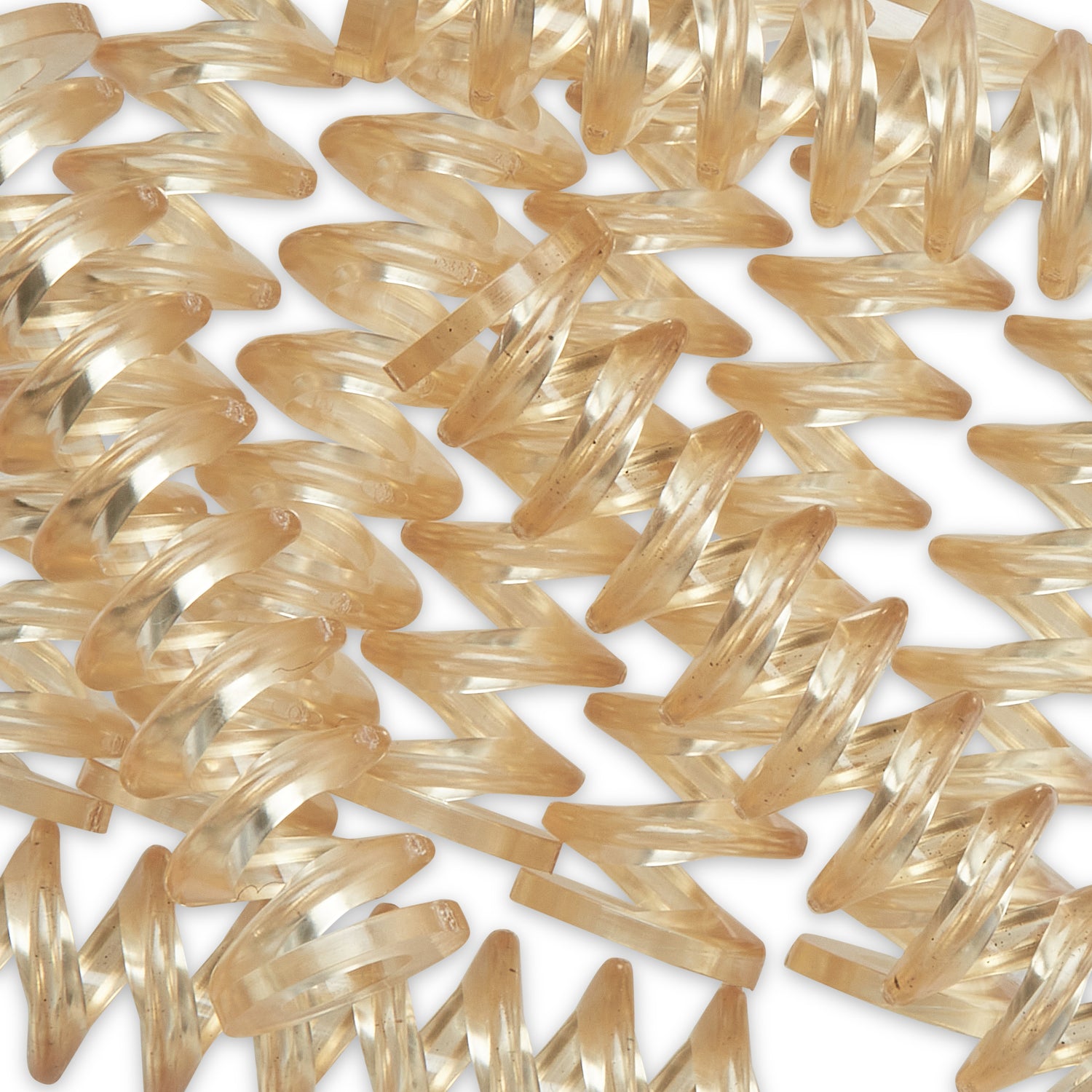
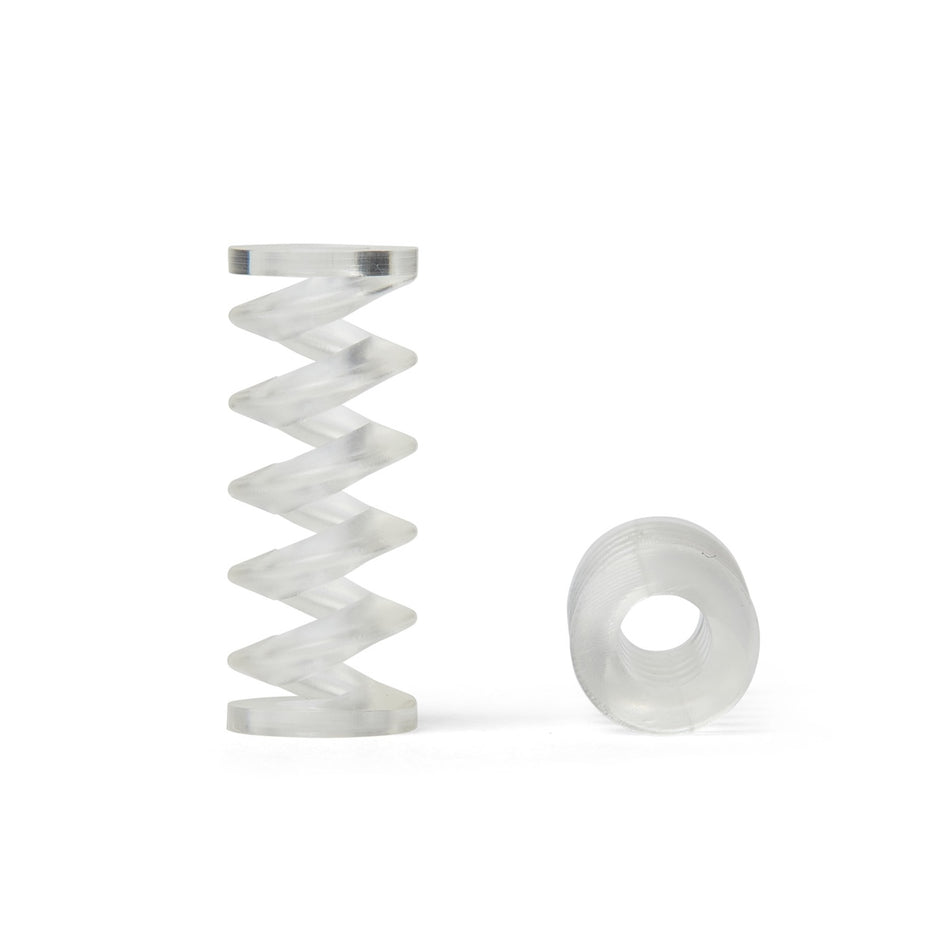
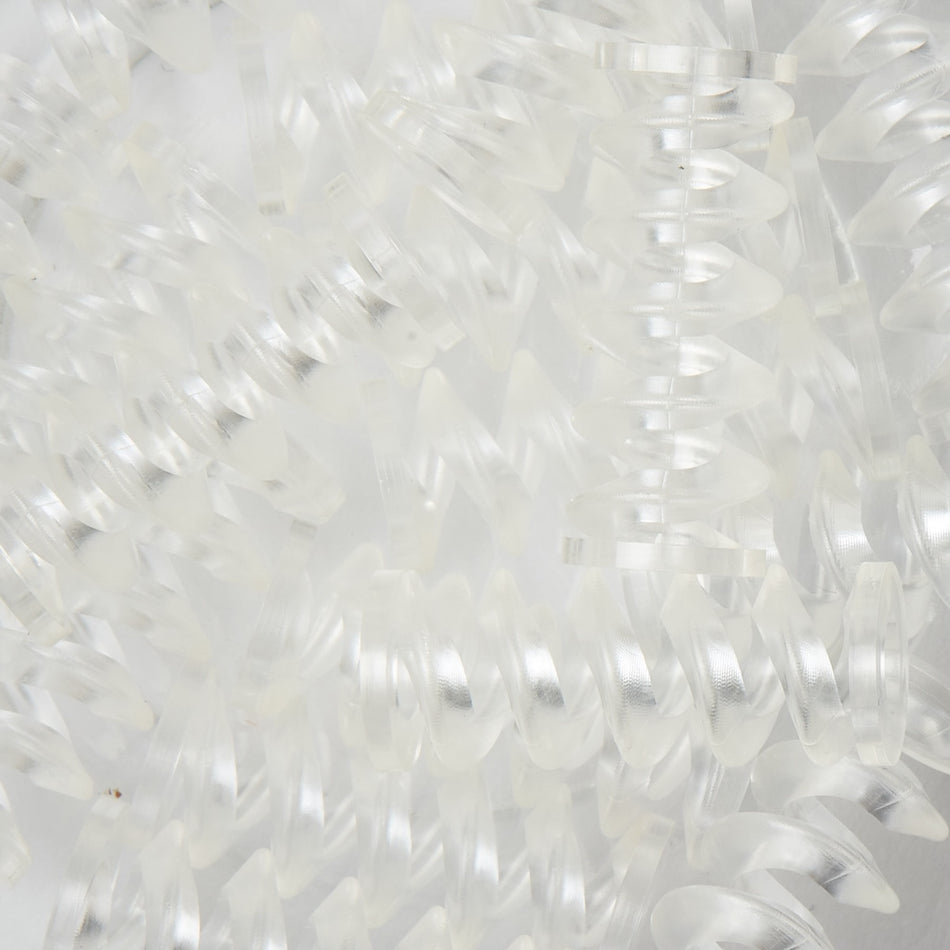
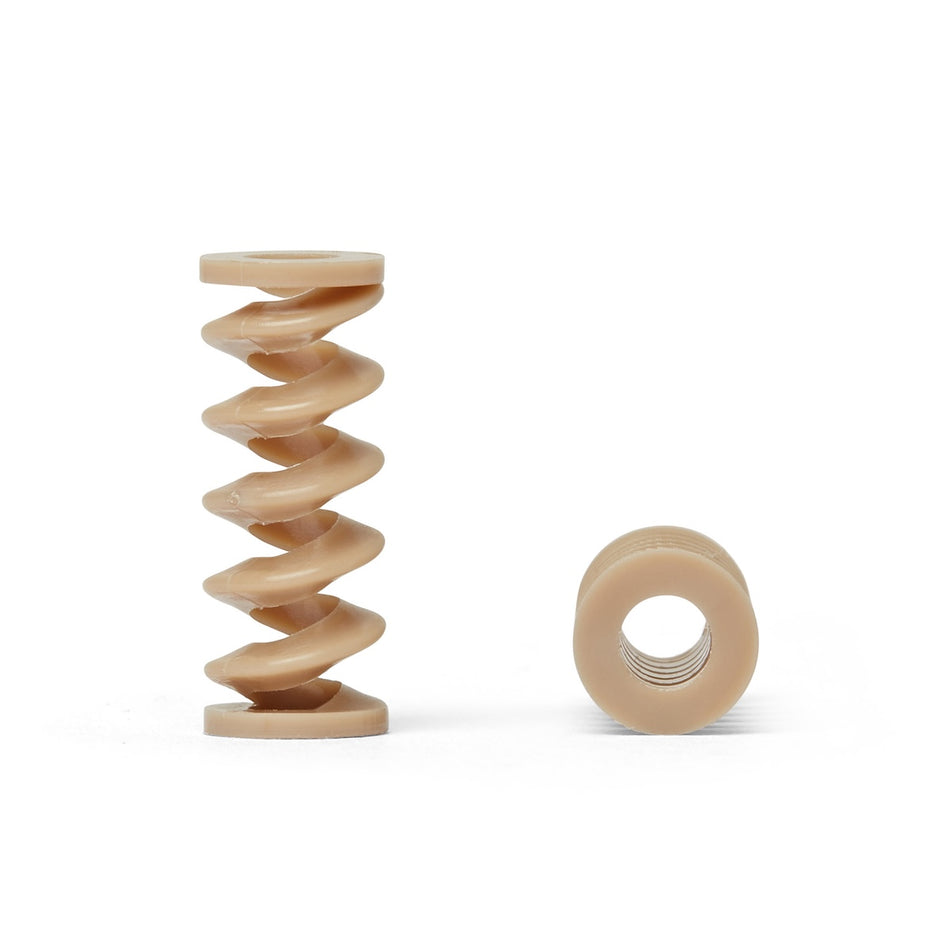
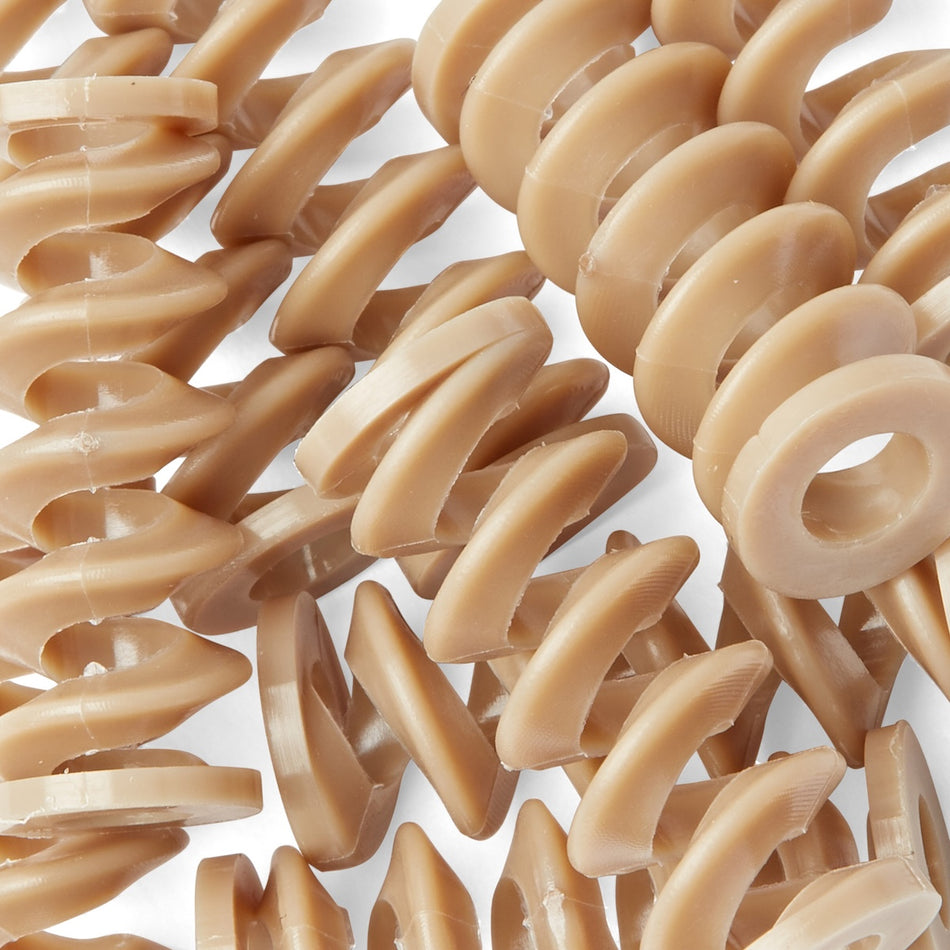


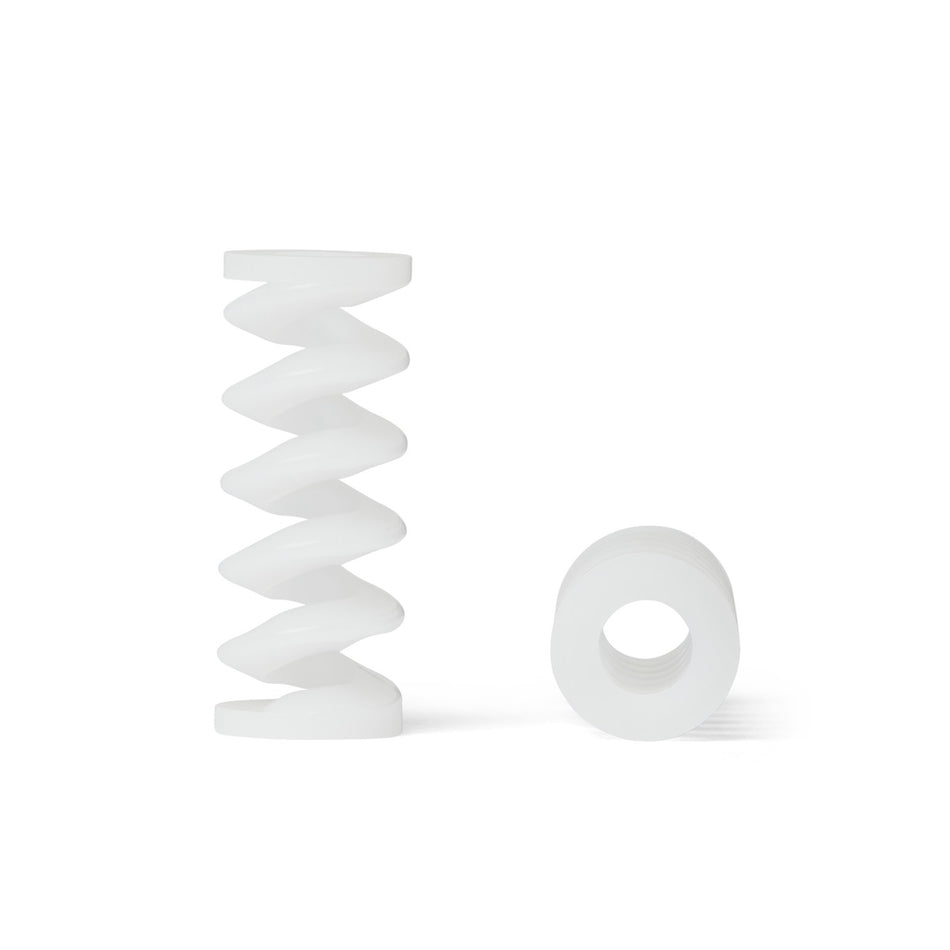

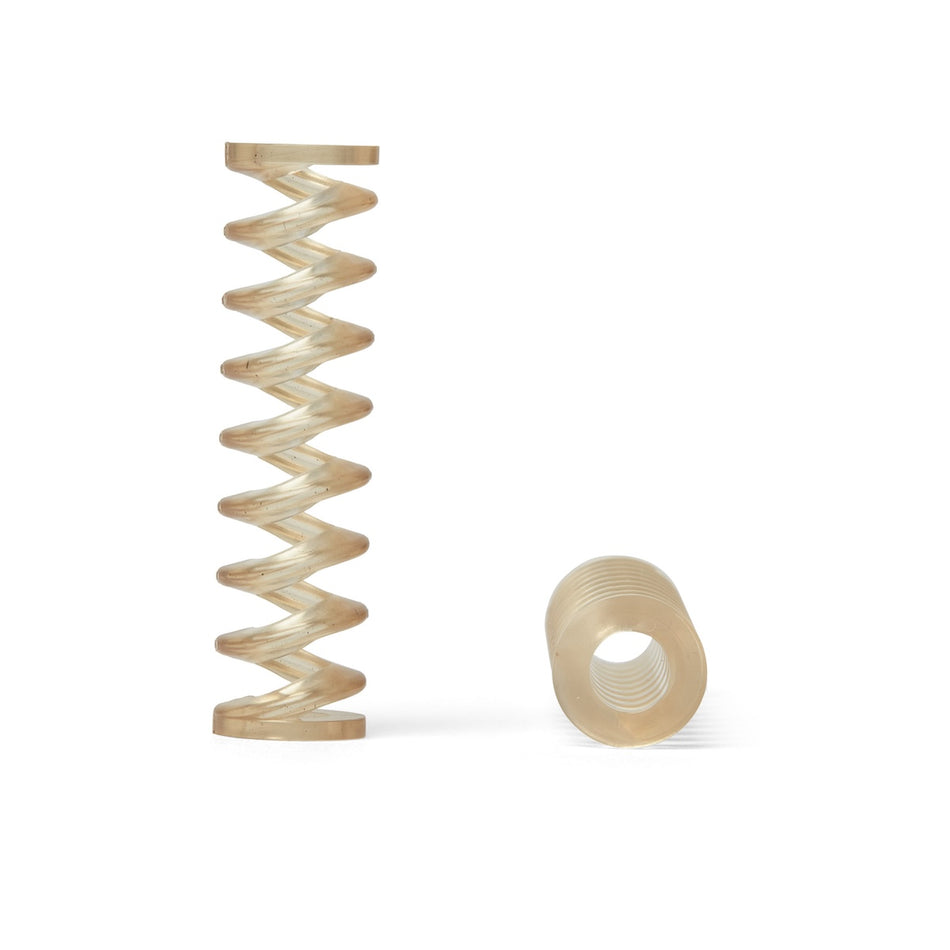
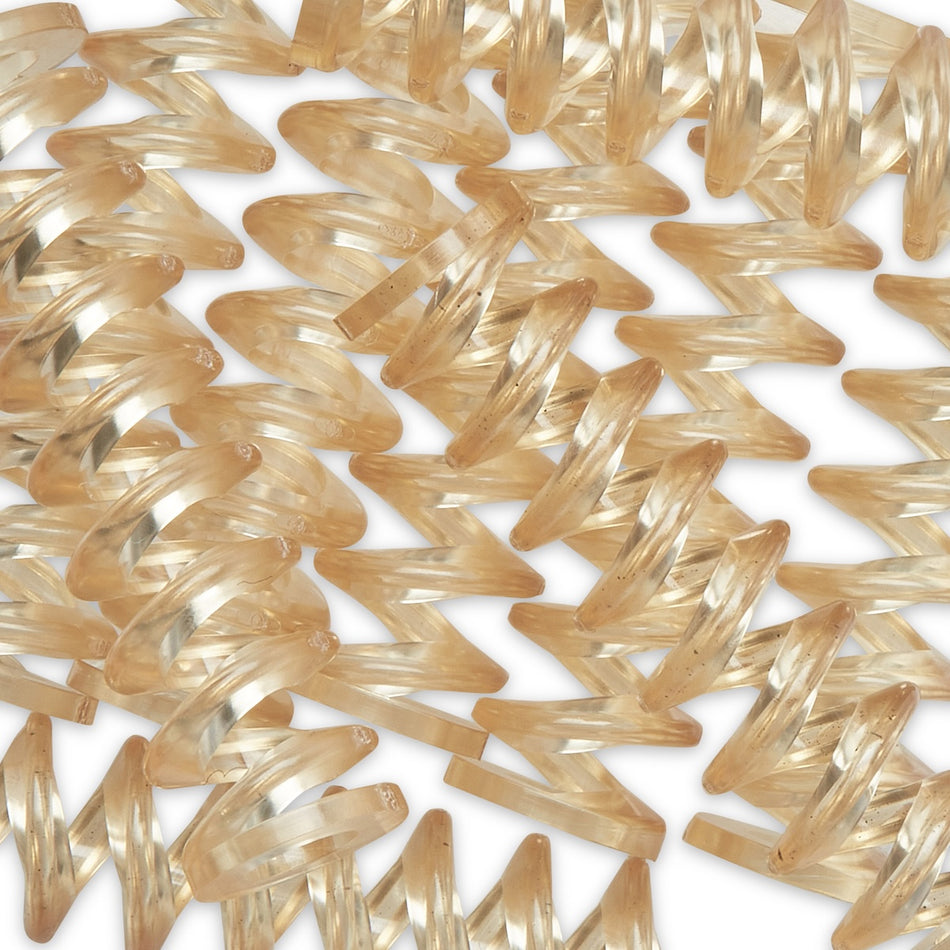


They offer unique advantages that metal screws cannot provide. They are highly resistant to corrosion, making them ideal for use in harsh chemical environments where metal screws would degrade. Their lightweight nature reduces the overall weight of assemblies, which is crucial in industries like aerospace and automotive where weight savings translate to better performance and fuel efficiency. Plastic screws also provide excellent electrical insulation, preventing electrical shorts in electronic devices. Additionally, they have high strength-to-weight ratios, are non-magnetic, and can withstand a wide range of temperatures. These properties make plastic screws essential for applications requiring durability, reliability, and specialized performance characteristics that metal screws cannot deliver.